
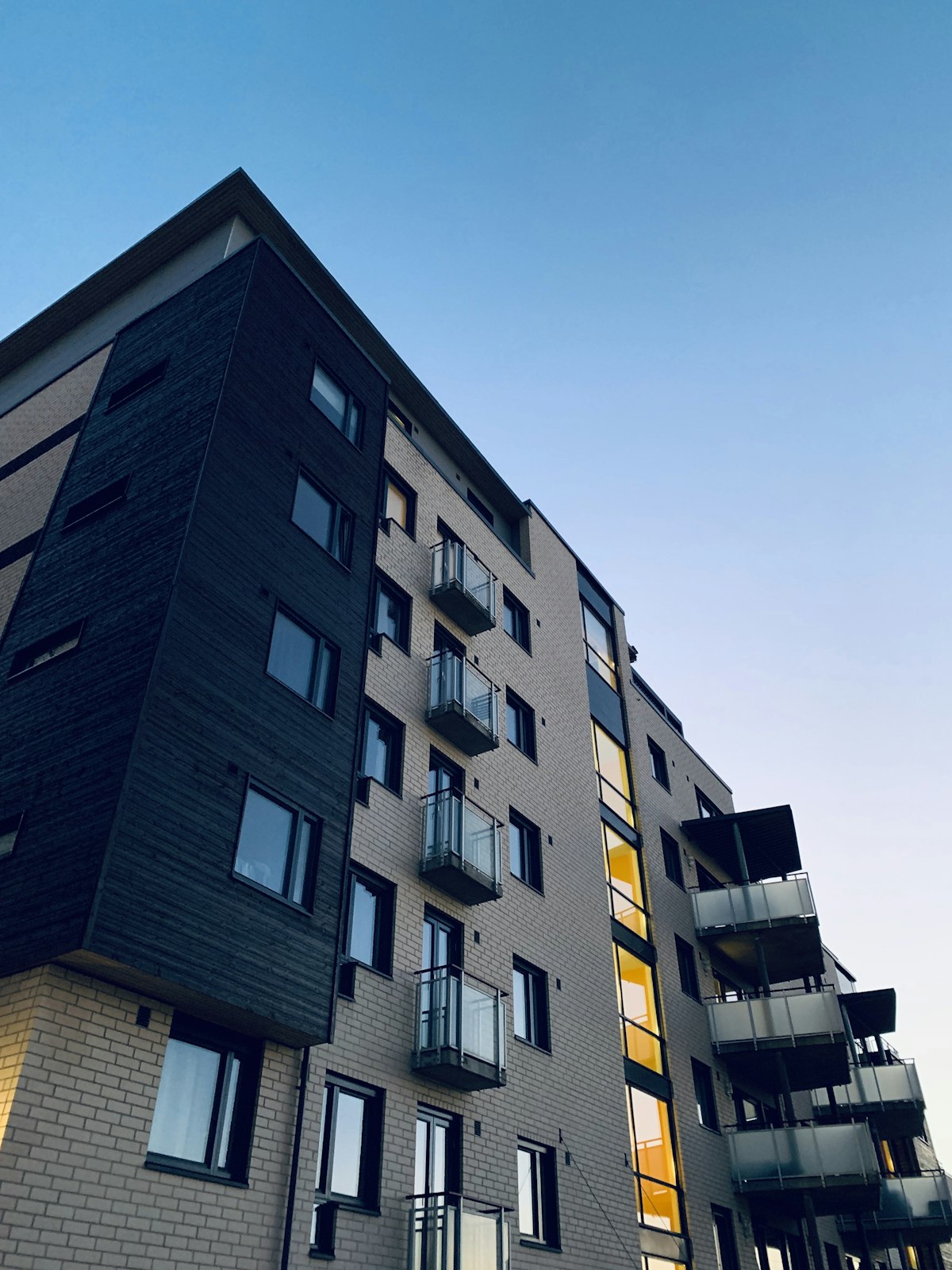
Why Multi-Family Wholesaling Is Different
Most wholesalers focus on single-family homes - which means multi-family deals (duplexes, triplexes, fourplexes) are less picked over, less competitive, and often deliver larger assignment fees. But they require a different analysis framework. Your buyers are evaluating cash flow and cap rate, not just ARV. This guide covers everything you need to successfully wholesale 2-4 unit properties.
The Multi-Family Advantage for Wholesalers
Less Competition
Larger Spreads
Active Buyer Pool
Motivated Sellers Exist
How Multi-Family Analysis Differs From Single-Family
In single-family wholesaling, your buyers primarily care about ARV and rehab cost. In multi-family, they care equally (often more) about cash flow metrics.
The Metrics That Matter for 2-4 Unit Buyers:
Gross Rent Multiplier (GRM)
Lower GRM = better deal. Buyers target GRM of 7-10 in most markets.
Capitalization Rate (Cap Rate)
NOI = Gross Rent - Vacancy (5-10%) - Expenses (taxes, insurance, maintenance, management)
Target cap rate varies by market: 6-8% is common in secondary markets, 4-5% in major metros.
Cash-on-Cash Return
Buyers using financing care about cash-on-cash. Target: 8%+ for most investors.
Related: What is Cap Rate? | How to Analyze a Rental Property | The BRRRR Method
Finding Multi-Family Motivated Sellers
The same outreach methods that work for single-family also work here - but you add a few multi-family-specific sources:
Direct Mail Targeting:
- Absentee owners of 2-4 unit properties (out-of-state landlords)
- Properties with code violations (often sign of tired landlord)
- Properties with delinquent property taxes
- Owners who have held the property 10+ years (often over-leveraged or done managing)
- Look for deferred maintenance: peeling paint, overgrown landscaping, boarded windows, broken railings
- Multi-family problems are usually more visible than single-family
- Inherited multi-family is often a headache for heirs who don't want to be landlords
- Probate filings (public record) reveal multi-family estates frequently
- Skip trace owners of rental properties via county records
- Call Craigslist "For Rent" ads for multi-family ("I work with investors who buy rental properties...")
What Your Buyers Need to See
Multi-family buyers are more analytical than single-family flippers. Come to every conversation with:
- Current rent roll - what each unit currently rents for
- Market rents - what each unit could rent for at full market rate
- Vacancy status - which units are occupied, which are vacant
- Expense estimates - property taxes, insurance, maintenance
- Your purchase price - and why the numbers work at that price
- Rehab estimate - condition of units, major systems (roof, HVAC, plumbing)
Evaluating the Deal: A Worked Example
Property: Duplex, 2 units each renting at $800/month (below market - market is $1,050) Your Contract Price: $120,000 Rehab Needed: $20,000 (cosmetic updates to vacant unit, deferred maintenance) Your End Buyer's Price: $145,000 (your assignment fee: $25,000)
At $145,000:
- Gross monthly rent (market): $2,100/month
- Annual gross rent: $25,200
- GRM = $145,000 / $25,200 = 5.8 (excellent)
- Annual NOI (after 45% expenses): $13,860
- Cap Rate = $13,860 / $145,000 = 9.6% (strong)
Common Mistakes in Multi-Family Wholesaling
Underestimating rehab: Multi-family rehab costs compound - if one unit needs a new HVAC, the others often follow soon. Be conservative with estimates.
Ignoring tenant situation: A tenant who won't leave is a problem your buyer inherits. Know the lease terms, security deposits, and any tenant disputes before marketing the deal.
Wrong buyer type: Multi-family deals need buy-and-hold buyers, not fix-and-flip buyers. Know your buyers' preferences and market deals to the right people.
Not knowing zoning: Verify the property is legally permitted for its current use. Illegal conversions exist - especially in older cities where basements or garages have been turned into units.
Structuring the Wholesale Deal
The same assignment and double-close mechanics from single-family apply to multi-family:
- Include "and/or assigns" in your purchase contract
- Collect non-refundable earnest money from your buyer
- Use an investor-friendly title company familiar with multi-family transactions
- Get your assignment fee in the $15,000-$40,000 range on 2-4 unit deals (justified by deal size)
Run the rental property calculator and MAO calculator, then compare ask vs MAO and the MAO formula before you market the deal.
Paste your address
FAQ: Wholesale Multi-Family Properties
What makes wholesaling multi-family different from single-family?
Buyers care more about cash flow, NOI, and cap rate than flip ARV alone. You still need ARV and rehab, but rent rolls and expenses decide whether they pursue.
How do I know if a duplex ask is worth pursuing?
Run ARV and MAO, then check cash flow at the buyer's all-in cost. If ask sits over MAO with no path to a real cut, pass. If ask is near MAO and NOI works, pursue.
Which calculators should I use on a 2-4 unit deal?
Use the MAO calculator and rental property calculator, then compare ask with ask vs MAO. Read the MAO formula before you lock a contract price.
Ready to analyze a multi-family address?
Paste an address. Get ARV, MAO, and ask vs MAO in one screen. Start free, upgrade when you are closing deals: https://dealbeast.co